Manual or Automatic Driving Lessons: Which Should You Choose?
By AZ Driving School · · 5 min read
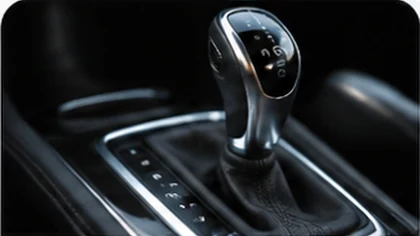
One of the first decisions you will make is whether to learn in a manual or an automatic car. Both are good routes to a full licence. The difference is mainly about the licence you end up with and how you want to drive in future.
The licence rule that matters
If you pass your test in a manual car, you get a full licence that lets you drive both manual and automatic cars. If you pass in an automatic car, your licence is for automatic cars only. You can take a manual test later to remove that restriction.
Manual lessons
You will learn to use a clutch and gears as well as steering, braking and observation. That is more to coordinate at first, but it gives you the most flexibility afterwards, including borrowing or buying any type of car and often a wider choice of used cars.
- Best if you want the widest choice of cars and the most flexible licence.
- Often takes more lessons for the first few weeks while you learn clutch control.
Automatic lessons
With no clutch or gears to change, you can focus on road positioning, hazards and junctions from the start. Many nervous learners find this less stressful. Electric and hybrid cars are automatic, and automatics are increasingly common.
- Best if you want to concentrate on road skills, or you expect to drive automatic or electric cars.
- Your licence will be limited to automatic cars unless you later pass a manual test.
Which is quicker or cheaper?
Learners often find automatics easier to pick up, which can reduce the number of lessons, but everyone is different and we do not promise a set number. Lesson prices may differ by course and area, so check our pricing page.
How to decide
- Think about the car you expect to drive after you pass.
- Consider how confident you feel. If you are very nervous, an automatic can be a calmer start.
- Ask about trying a lesson in each. Our manual and automatic courses both suit complete beginners.
Still unsure? Contact us and we will talk it through with no pressure. See also our FAQs.
